


Threads Alone Will Make Your Cheekbones Stand Out — The Right Order for Treating Jowl Fat
Why jowl liposuction and thread lifting should be done together
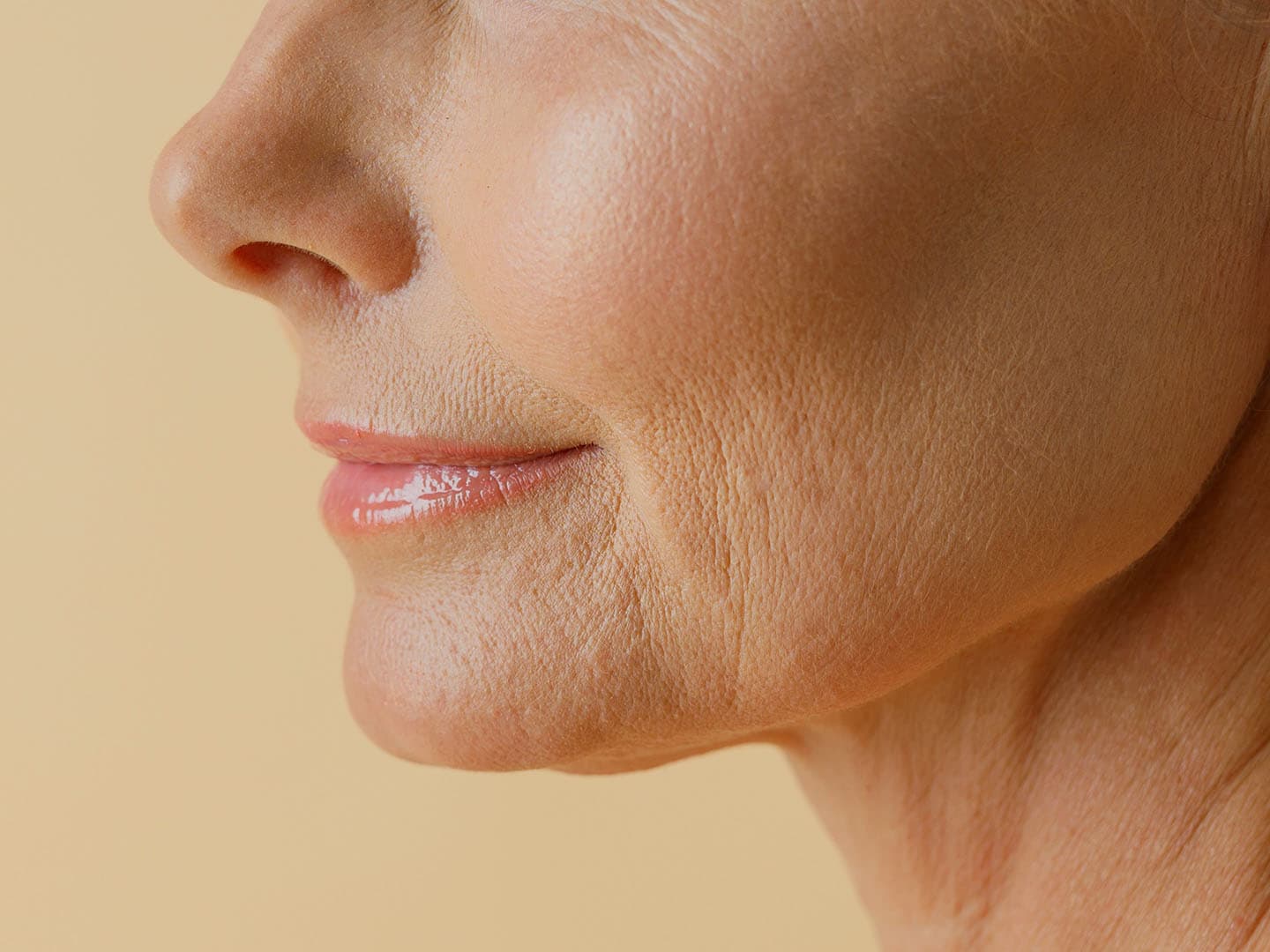
Jowl fat (prejowl fat) forms as skin elasticity declines with age, causing the fat layer below the cheeks to sag, or as the volume of the subcutaneous and deep fat layers becomes more prominent. In younger patients, it can also result from fat volume gained through weight.
The biggest change jowl fat brings is to the facial contour. A smooth oval face turns square — the so-called skeletal shape — and the face looks larger. Treatment options include liposuction, lipolysis injections, lifting procedures, and facial lymphatic massage.
How far can non-invasive treatments go?
The most common non-invasive options are device treatments such as Ulthera (Ultherapy), Thermage, and ONDA lifting, along with lipolysis injections that reduce excess subcutaneous fat. They carry little burden, so many patients choose them, and satisfaction is generally high.
However, if you want a more definitive change, or if the jowls and sagging are severe, invasive procedures should be considered. The representative approach is combining jowl liposuction with thread lifting.
Why should liposuction and thread lifting be done together?
At first glance it seems simple — remove the jowl fat by suction and pull with threads. In reality, this procedure depends heavily on the surgeon's skill. Performed without sufficient experience, it can produce results worse than non-invasive treatment or expose the patient to complications.
In the past, many physicians tried to reduce volume by removing the deep fat of the jowl area. The frequent result was a more hollowed cheek that made the bone structure even more prominent — a consequence of insufficient anatomical and aesthetic understanding. In fact, only a small minority of young, overweight patients benefit from deep-cheek fat removal; for most patients, precisely removing the sagging skin together with the descended subcutaneous fat is far more effective.
Also, over-suctioning the pseudomembrane area in front of the jawline, or excessive cannula friction, can cause adhesion dents. That is why I use an ultrasound device such as VASER2 to selectively melt and suction only the targeted subcutaneous fat in front of the pseudomembrane, minimizing damage to surrounding tissue and the risk of side effects.
Conversely, if thread lifting is done alone without fat removal, the weight of the sagging jowl fat pulls against the direction of the threads. Over-tensioning the threads to fight that weight bunches redundant tissue near the cheekbones — an adverse effect that makes the cheekbones look more prominent.
That is why the order matters. First remove the fat in the jowl area to reduce its weight, then lightly anchor with threads so the suctioned area adheres in the correct position. This creates a much more natural line and greatly reduces re-sagging over time.
How much swelling and downtime should I expect?
Many people worry that combining facial liposuction with thread lifting means severe swelling and tissue trauma. In practice, only minor bruising and swelling remain — easily covered with makeup within a week — so the procedure can be done over a short break without drawing attention.
A face turning square from weight or aging is a real source of stress for anyone who wants a smooth, slim contour. Whether non-invasive or invasive, I hope you find the treatment that fits your condition and preferences, and regain a clean facial line and your confidence.
Treatments in this article
More from the Doctor's Column